

Built Around It
Kirsten Sanfilippo doesn’t separate cars from the rest of her life.
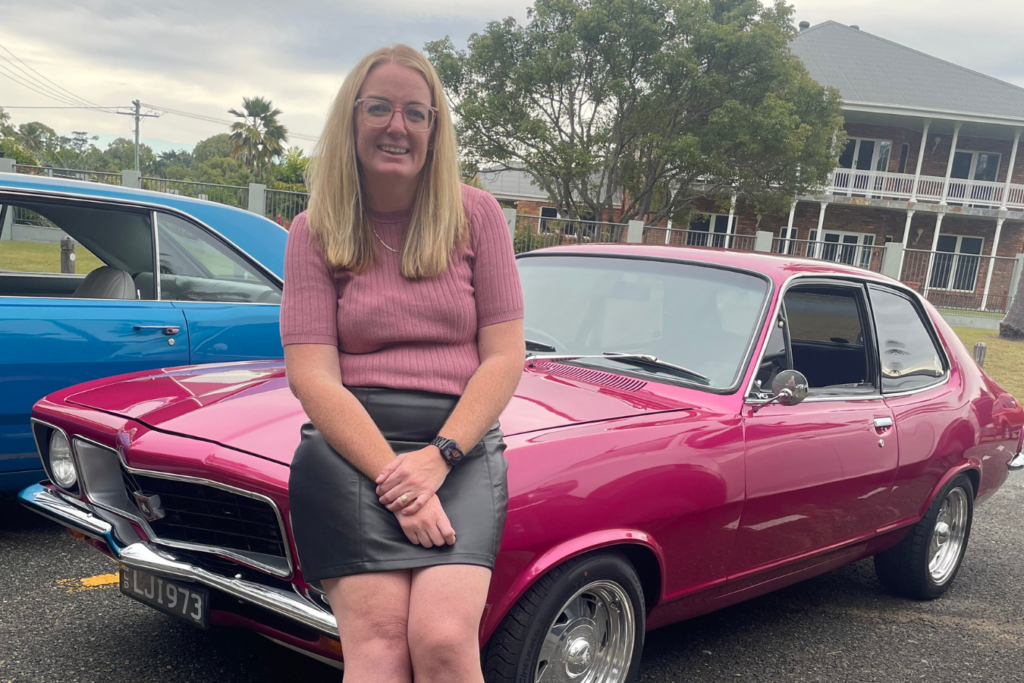
She never really has.
Raised in a family where weekends meant dragways, speedway nights, and later hot rod cruises, the introduction wasn’t deliberate — it was ambient. Something absorbed early and carried forward without needing to be explained.
“My mum and dad were into drag racing, then hot rodding,” she says. “That’s just what we did.”
That kind of upbringing doesn’t produce a single point of entry. It produces continuity.
Today, that continuity shows up in both what Kirsten drives and what she creates.
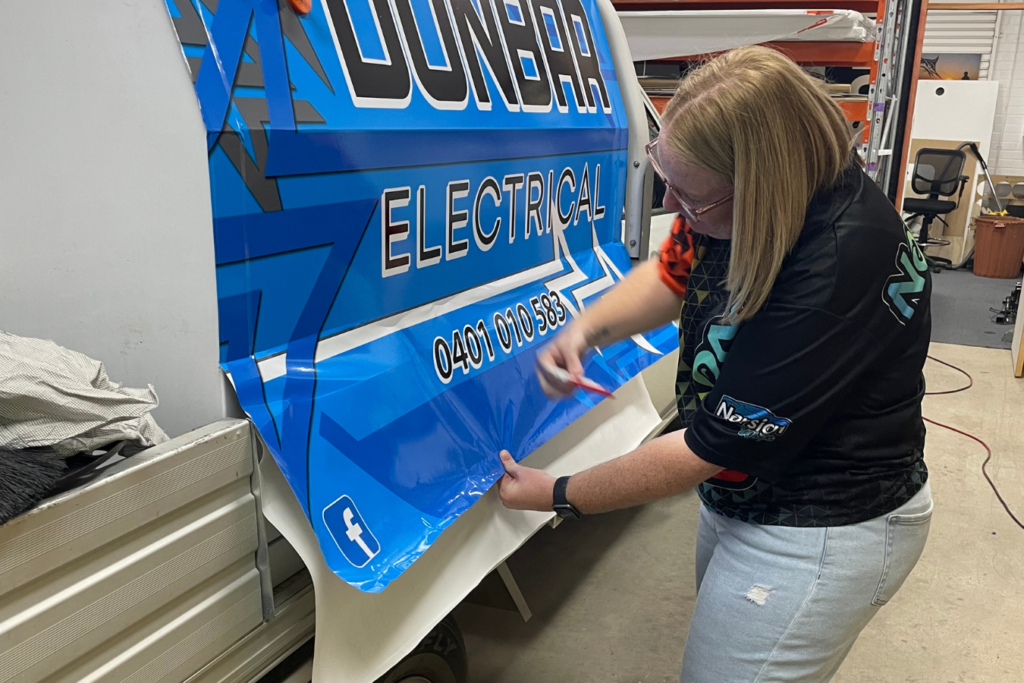
By trade, she’s a signwriter — a skillset that sits neatly, and often invisibly, inside the automotive world. Not just in aesthetics, but in application. Understanding how graphics interact with body lines, how materials behave on curved panels, how something designed on a screen translates onto a moving object.
It’s a practical fluency that has become central to her involvement with the Mackay Motor Show.
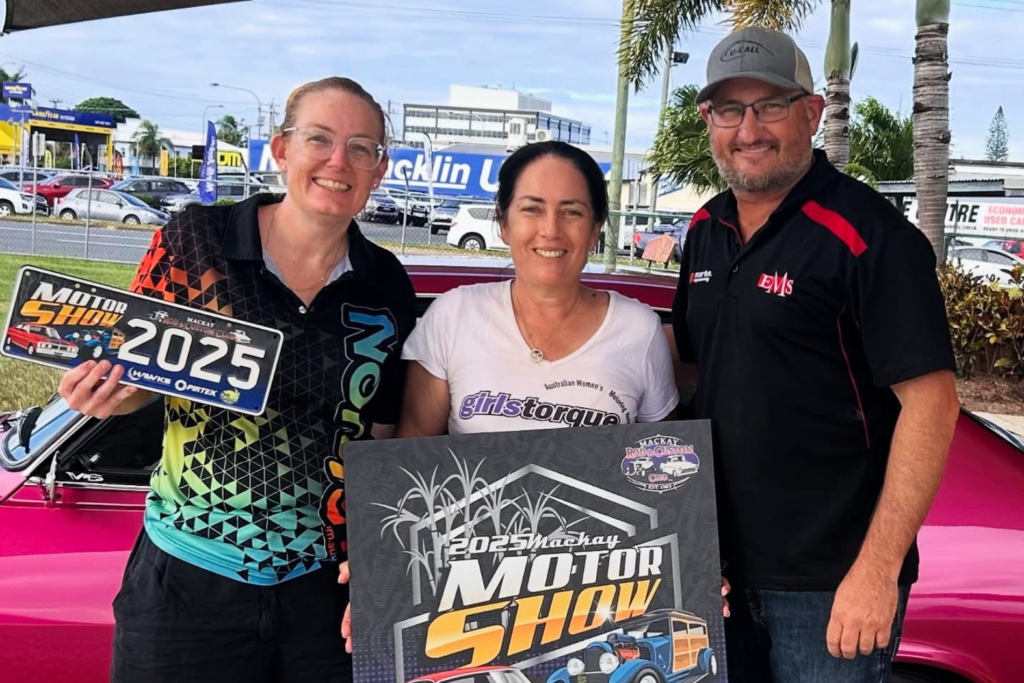 Initially contributing artwork from the outside, Kirsten stepped further in last year, joining the committee and taking on the visual identity of the event — from t-shirts and banners through to promotional materials and on-the-day media.
“I did all the artwork for the motor show,” she says. “Then on the day I was doing social media, photos… it’s a lot more than people think.”
The work begins well before the event itself. Concepts built around feature vehicles. Designs developed, refined, and rolled out across multiple formats. Then the shift into delivery — capturing, sharing, and maintaining momentum in real time.
There’s no formal pathway into that role, and no mentor guiding it.
“I haven’t really had anyone showing me,” she says. “You just kind of… do it.”
 Away from the event space, Kirsten’s connection to cars is just as long-standing.
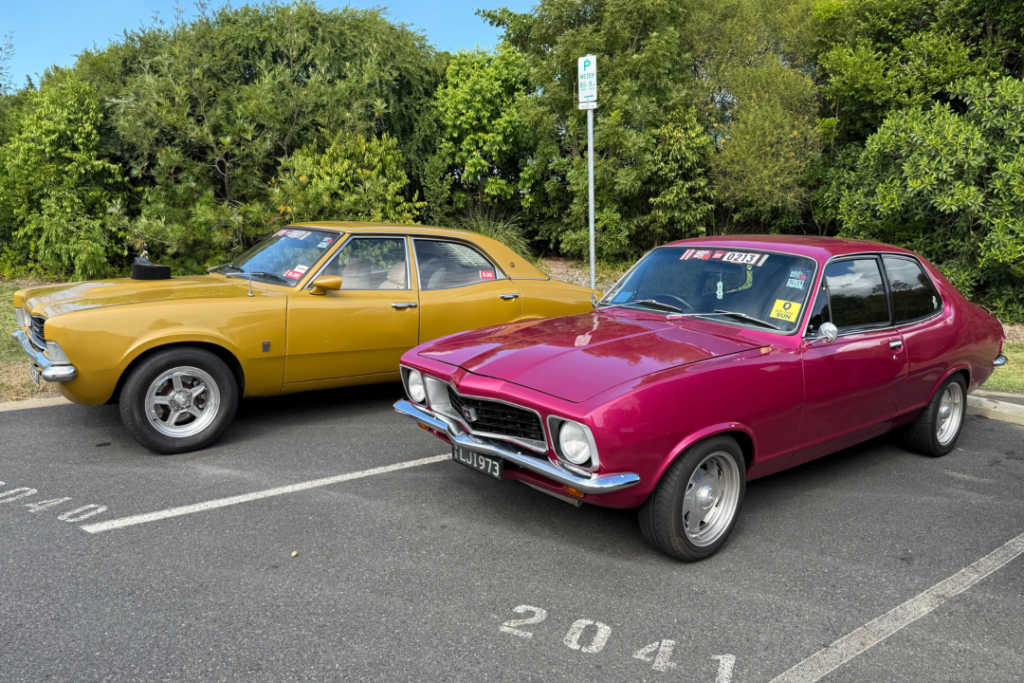
Her LJ Torana has been with her for 20 years — bought at 18, still part of her life today. Over time, it’s evolved from a daily driver into something more considered, now running a 3.8L V6 Buick conversion that’s been refined well beyond its original form.
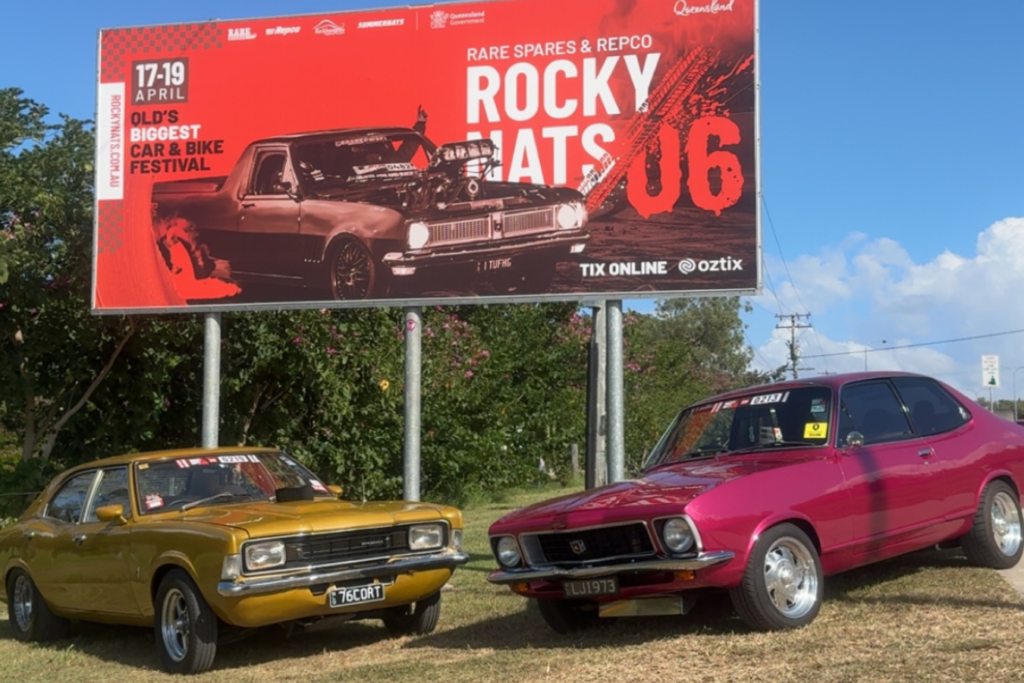 “It doesn’t look like a standard Commodore motor,” she says. “Everything’s been done to it.”
Before that came a Morris Minor convertible — unmistakable, impractical, and entirely consistent with the kind of cars she grew up around.
“I was never going to have a normal car.”
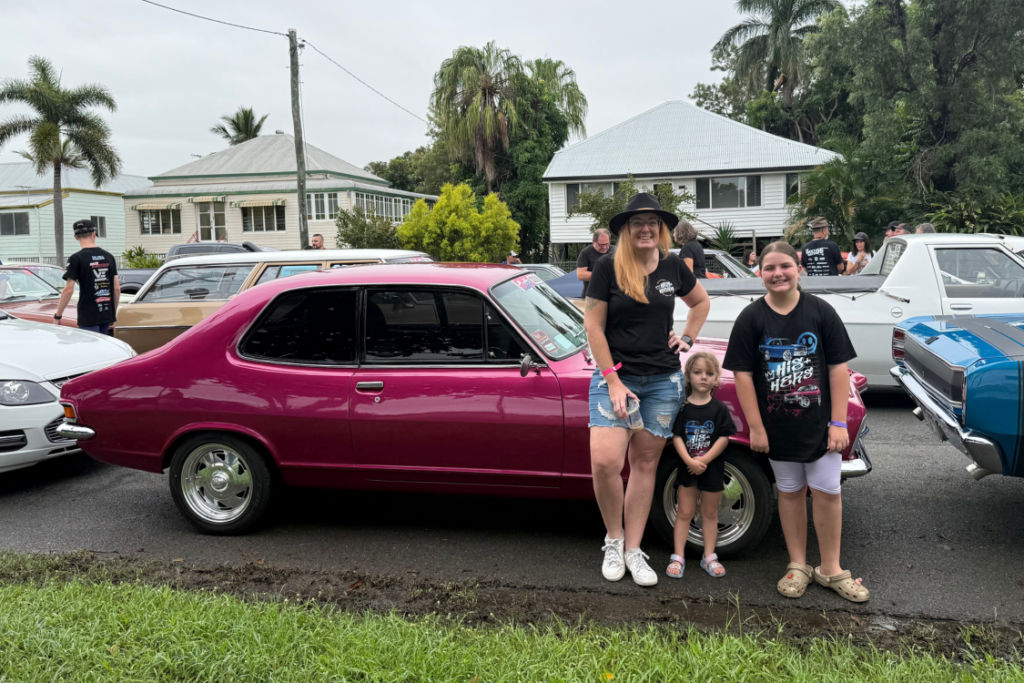 These days, the cars are no longer just hers.
They’re shared.
Events like RockyNats aren’t approached as standalone motorsport experiences, but as part of a wider social rhythm — groups of families travelling together, staying together, building a weekend around more than just the vehicles.
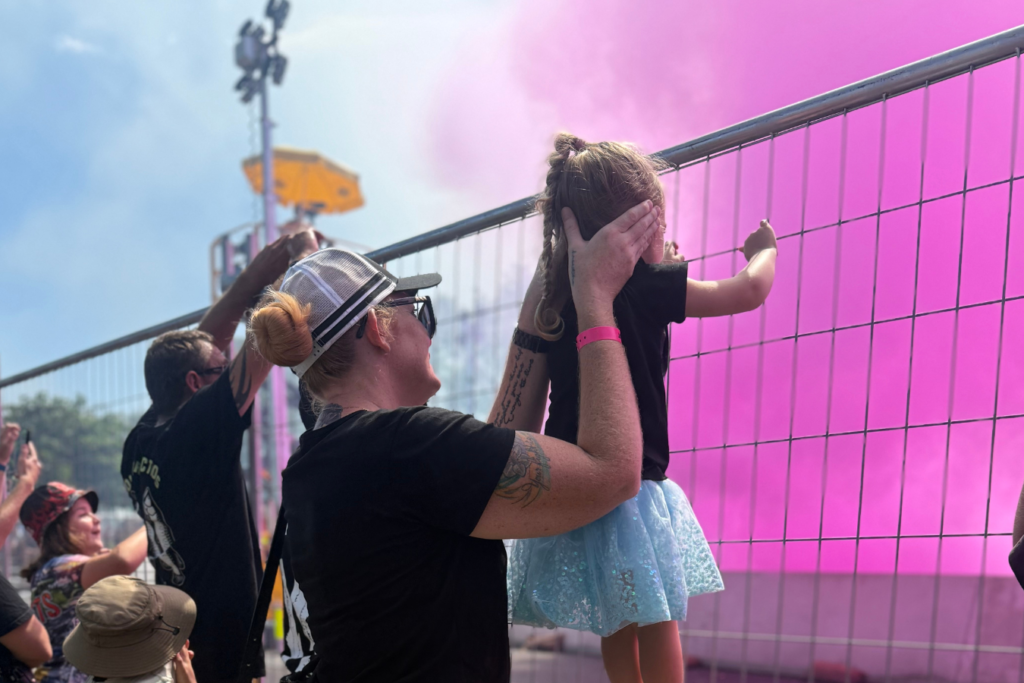 “It’s about the cars, but it’s also about being together,” she says. “You go to the cruise, then you go back and everyone’s there — kids playing, people hanging out. That’s what I like about it.”
It’s a version of the same environment she grew up in, now recreated in her own way.
“My girls love it,” she adds. “They’re all about it.”
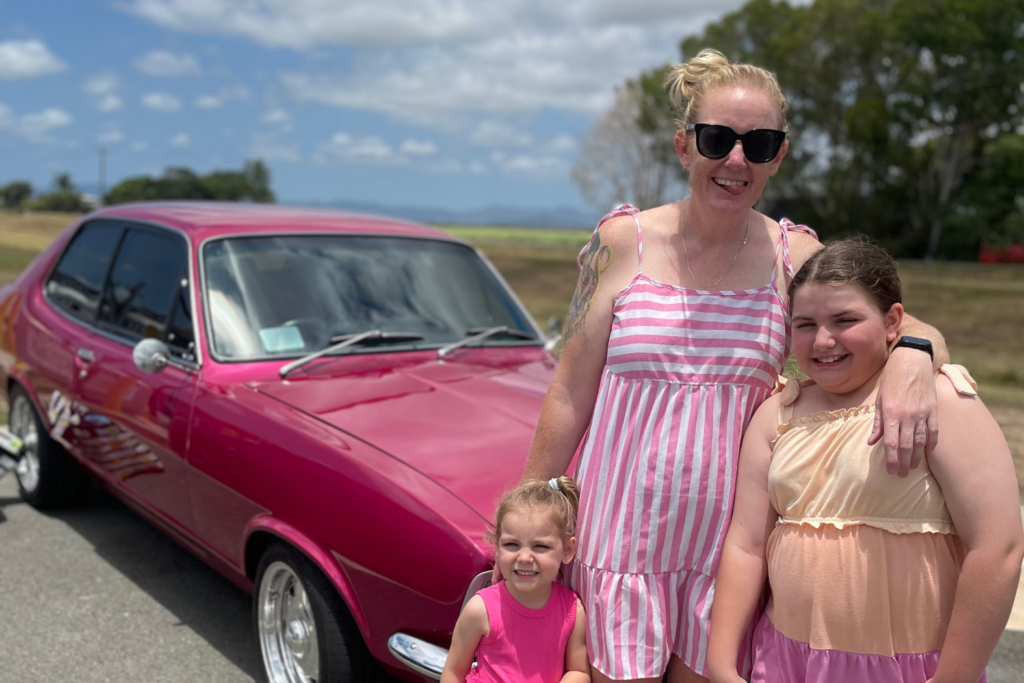 That sense of continuity extends beyond participation — it shapes how Kirsten sees the community itself.
Despite the way car culture is often portrayed externally, her experience is grounded in something far more stable.
“It’s very family-oriented,” she says. “People don’t always see that side of it.”
There’s an ease in the way she moves within it. No strict brand loyalty, no need to align with a particular camp — just an appreciation for the vehicles and the people around them.
“I’m not really a Holden person or a Ford person,” she says. “If it’s cool, it’s cool.”
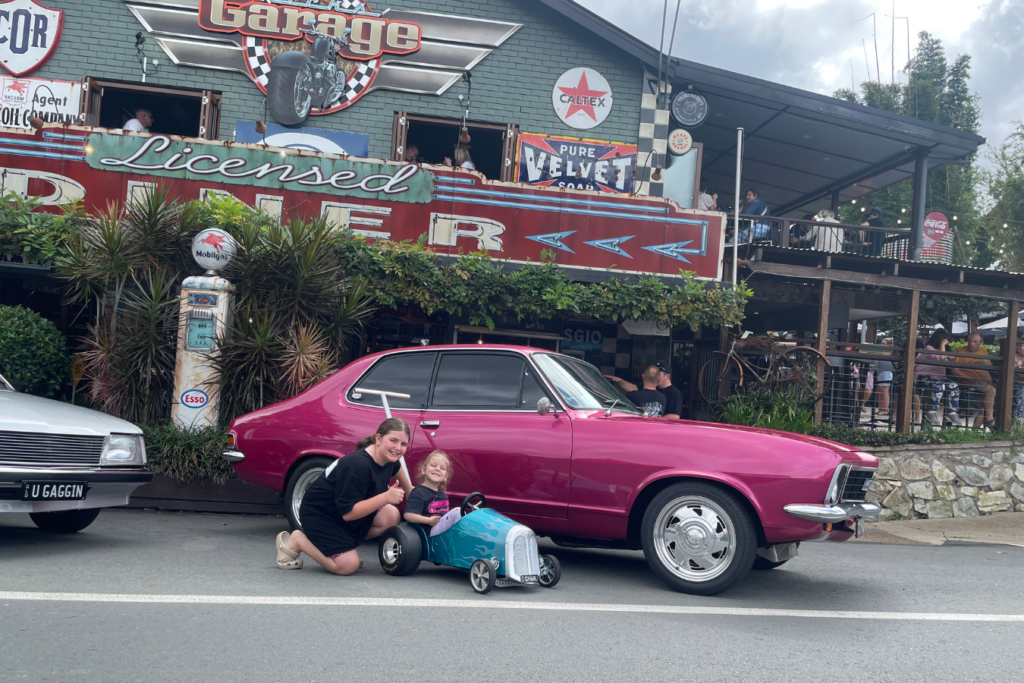 Like most long-term involvement, it hasn’t been without disruption.
A recent accident involving her husband’s car — a loss that, while physically minor, carried weight within the family — shifted the way they approached things, particularly through the eyes of their children.
“It could have been worse, but it was enough,” she says. “Even now, there’s a bit of anxiety around it.”
It’s not something that removes them from the lifestyle, but it adds another layer to it — awareness, adjustment, and a recalibration of how they move forward.
Through all of it, Kirsten’s motivation remains uncomplicated.
 There’s no push for recognition, no pressure to turn it into something larger than it is. Just a consistent return to the same reason she started.
“I just enjoy it,” she says. “If you’ve got that love for it, it’s easy. You’re not forcing it.”
It shows in the way she contributes — stepping into roles where needed, building capability without waiting for permission, and finding satisfaction in the details.
Even in the ideas that are still waiting. A children’s apparel concept shaped around car culture — something she began building before life shifted direction, and something that may yet find its way back.
Because for Kirsten, cars aren’t separate from everything else.
They’re part of how it all fits together.


What’s your why? Whether you’re a racer, behind the camera, on the tools, or the loudest cheerleader, we want to hear your story! Share with us your passion and motivation to inspire others. Submit your story: https://bit.ly/4aYoxO4