

Girls on Track at the Supercars Sydney 500
Stepping into the paddock at the Supercars Sydney 500, the energy of a race weekend is impossible to miss. Behind the noise, the speed, and the spectacle is an enormous amount of technical work happening quietly in the background — engineers studying data, interpreting telemetry, and helping drivers extract performance from every lap.
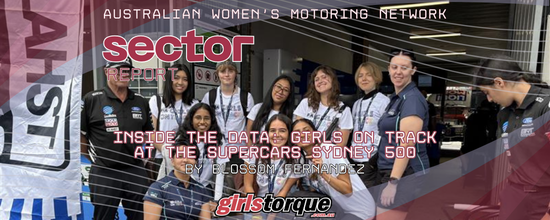
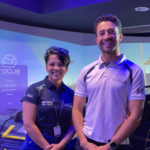
As part of the FIA Girls on Track Pathways event, I had the opportunity to help deliver a workshop alongside Oliver Myers from Focus Driver Performance, introducing students to one of the most important tools used in modern motorsport engineering: data analysis through MoTeC telemetry.
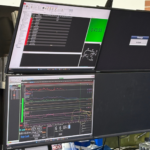
Motorsport engineering can often look intimidating from the outside. Telemetry screens filled with numbers and traces might seem overwhelming at first glance, but at its core, performance engineering is about learning how to ask the right questions of the data.
During the session, we worked through visualised telemetry traces — looking at speed, throttle position, brake application and steering angle — and explored how engineers combine these signals to understand driver behaviour and vehicle performance. By piecing these channels together, patterns begin to emerge that reveal where time can be gained, where the car can be improved, and how a driver adapts to different sections of a circuit.
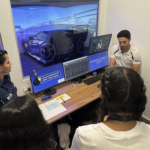
To bring the concept to life, participants were also given a practical challenge: calculating how much fuel a GT car would need for three flying laps. After working through the numbers, the students were able to test their calculations on the simulator — an exercise that quickly demonstrated how theory translates into real-world race strategy.
Among the students participating in the workshop was Samidha Panicker, who was attending her first FIA Girls on Track Pathways event and experiencing the Supercars paddock for the first time.
For Samidha, the opportunity to work with real motorsport data was a defining moment.
“Going through the process of piecing together speed, throttle data, brake usage and steering angle to understand driver performance was enlightening,” she explained.
“It’s one thing to learn the theory, but a completely different experience to see how these concepts are applied in the industry.”
Beyond the engineering workshop, the day offered a broader introduction to the motorsport ecosystem.
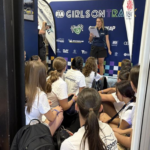
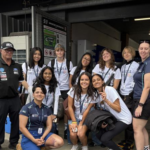
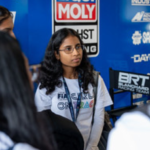
Participants attended a Girls on Track panel discussion, where women working across different areas of the sport shared their experiences and insights into building careers within the industry.
The group also toured the Blanchard Racing Team garage, providing a rare chance to see the Supercars machinery up close and gain a deeper appreciation for the scale of preparation that goes into a race weekend.
For Samidha, the experience helped clarify her ambitions.
“Seeing the different roles within the paddock and speaking with professionals working in the industry gave me a clearer vision of where I want to be in ten years,” she said.
“It only made me more motivated to be involved in this sport that I love.”
Programs like FIA Girls on Track are designed to create exactly these moments — opportunities where curiosity turns into understanding, and where students can see a tangible pathway into the industry.
Motorsport is evolving rapidly, and the next generation of engineers, strategists, and leaders will come from environments where education, mentorship and exposure intersect. By bringing students into the paddock and giving them access to the tools and knowledge used within professional teams, initiatives like this help demystify the industry and make those pathways visible.
For many participants, the day may have been their first time inside a Supercars paddock. For some, it may well be the beginning of a future career in motorsport.
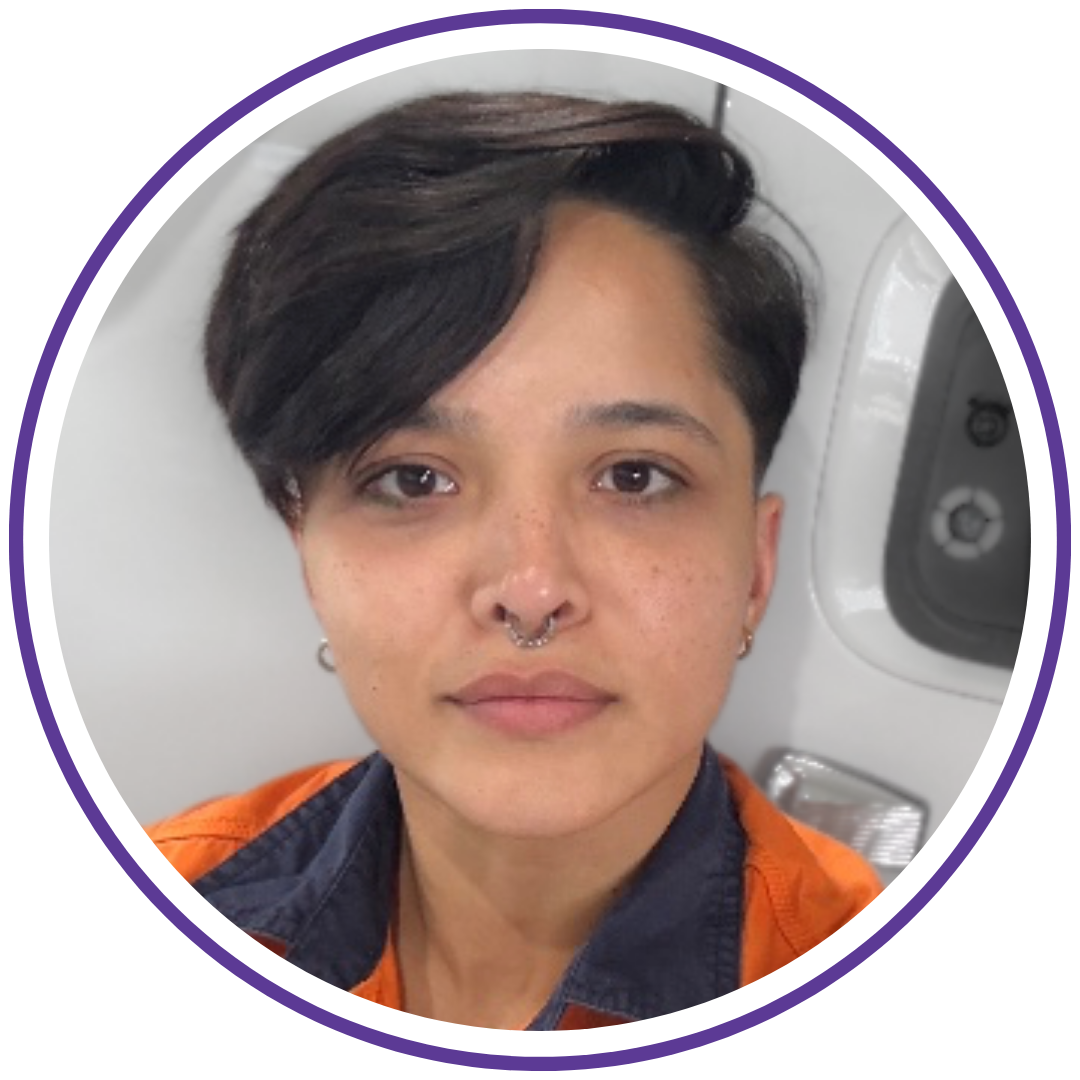

Blossom Fernandez is an automotive engineer specialising in electric vehicle systems and standards. She contributes to EV standards committees and supports emerging engineers through mentoring and STEM engagement. Blossom is a relentless learner committed to growth, challenge, and constant evolution.