

The Science of Nutrition in Motorsport with Olivia Fidler
Inside the cockpit, performance lives and dies by precision. Split-second reaction times, sustained focus, and physical resilience separate the merely good from the truly elite. Yet, while race engineers chase fractions of horsepower and aerodynamic efficiency, the most powerful tool for consistency still lies within the driver: their body — and more specifically, their brain.
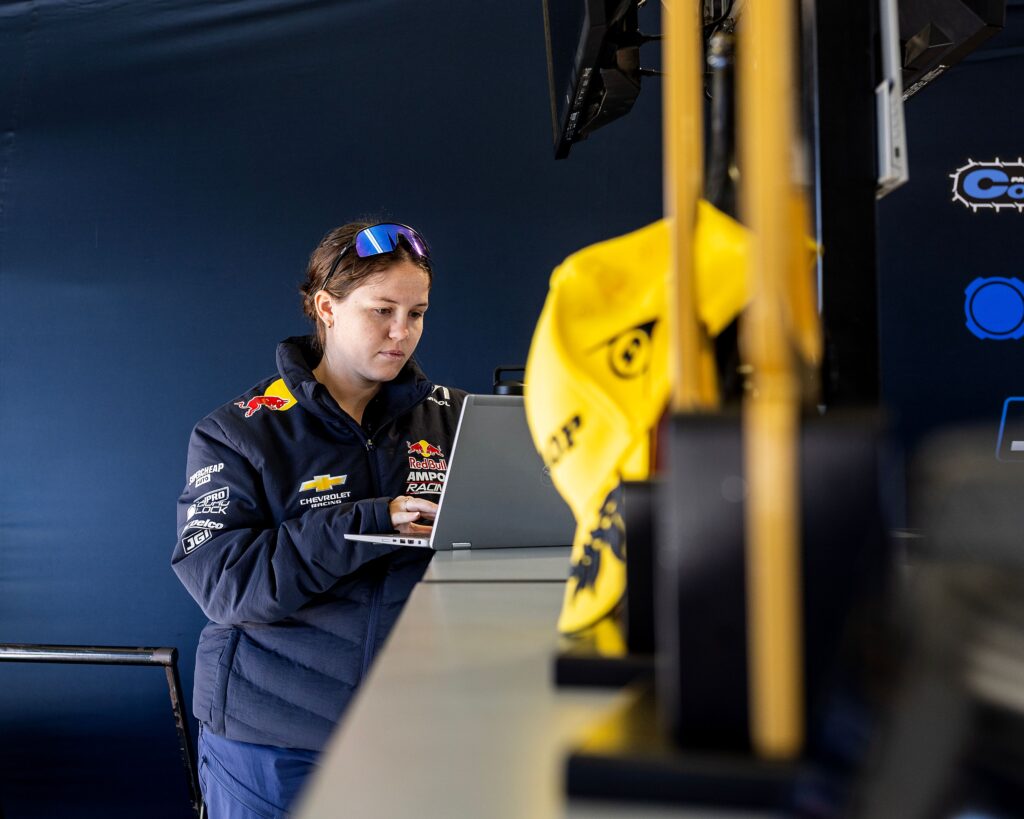
Motorsport athletes exist in a world of extremes — exposure to heat, dehydration, and prolonged cognitive demand, all without the luxury of eating or drinking during competition. Nutrition, once seen as background maintenance, is now recognised as a critical performance differentiator. And as emerging science continues to connect the gut and the brain, the concept of fuelling for focus is taking on new meaning.
To explore how nutrition supports performance behind the wheel, we spoke with Olivia Fidler, an Accredited Sports Dietitian, PhD candidate specialising in nutrition and hydration for motorsport performance, and founder of Eat Elite Sport Nutrition, who works directly with endurance and motorsport athletes.
Liv’s evidence-informed, real-world approach provides a grounded perspective on the realities of fuelling in high-pressure, high-heat environments — while current research offers a glimpse into the next frontier: how gut health and mental sharpness may be more intertwined than anyone imagined.
Preparation: Protecting Focus Before the Green Light
“Driver-athletes face unique challenges,” Liv explains. “Because they can’t eat solid foods during racing, the days leading up to a race weekend are critical. We focus on fuelling and hydrating properly to avoid glycogen depletion and dehydration across multiple sessions.”
Her first principle is one many drivers already know but often underestimate — the Five P’s: Prior Preparation Prevents Poor Performance.
Travel, accommodation, and catering are all variables in a race weekend.
“Drivers often travel interstate, so knowing where they can get nutritious meals, what kitchen facilities they’ll have, and when they’ll actually have time to eat are important details,” she says. “These small things make a big difference to consistency across a weekend.”
Liv also uses fluid loss tracking to personalise hydration. “By weighing themselves before and after a race — with their suits off — drivers can estimate their fluid loss. Multiply that loss in kilograms by 1.5 to calculate how much fluid they need to replace.” This data-driven method gives a reliable target without needing invasive testing.
But preparation isn’t just about what to consume — it’s also about what to avoid.
“Dehydration is a big one,” Liv notes. “Alcohol can make it worse, so I always advise avoiding large quantities before or during a race weekend. Gut irritants like spicy foods, greasy takeaways, or even excess caffeine can also affect comfort and concentration. Every driver’s tolerance is different, but the goal is always the same — minimise anything that could distract you once the helmet goes on.”
These fundamentals might sound simple, but they form the foundation of elite cognitive and physical function. Without stable hydration and glycogen reserves, even the sharpest mind begins to lag.
Hydration Under Heat: The Hidden Variable
If nutrition is the engine, hydration is the cooling system.
Inside a race car, ambient cabin temperatures can exceed 50°C, turning hydration into a strategic challenge. “For endurance athletes, the general guideline is 600–800 millilitres per hour, or 150–200 millilitres every 15 minutes,” Liv explains. “That’s not always achievable in motorsport, especially when fluids heat up quickly — often to the temperature of tea.”
Despite this, consistency matters. “Even if the water isn’t cool, sipping regularly to limit body mass loss to less than two percent can make a real difference to performance,” she says.
 Electrolyte management is another area where balance counts more than hype.
“Depending on a driver’s overall diet, they may already be consuming enough electrolytes,” Liv notes. “Sodium is the key one, and the AIS framework suggests roughly 500–700 milligrams per litre of fluid. Anything beyond that needs to be individualised.”
Hydration doesn’t just protect physical endurance — it directly affects reaction speed, mood regulation, and focus. Studies show that even mild dehydration can reduce cognitive performance, slowing decision-making and increasing fatigue.
And in motorsport, that extends beyond the driver’s seat.
“In some categories, crew members can clock more than 25,000 steps a day over a race weekend,” Liv adds. “Their energy expenditure can actually exceed the driver’s. The demands are completely different — drivers prioritise hydration and heat tolerance, while crew members need sustained energy and faster recovery between sessions. Both are performing under pressure, and both need to be fuelled accordingly.”
Research Spotlight: The Gut–Brain Axis and Cognitive Endurance
While hydration and glycogen remain the cornerstones of traditional sports nutrition, new research is redefining what it means to fuel the mind.
The gut–brain axis (GBA) — a complex communication network linking the intestinal microbiome and the central nervous system — plays a critical role in mood regulation, cognitive precision, and fatigue management. In high-stress sports like motorsport, where sustained focus is vital, this relationship is becoming impossible to ignore.
Recent studies have shown that gut microbes influence neurotransmitter production, including serotonin and dopamine, through vagus nerve signalling. These chemicals regulate mood, motivation, and decision-making — all performance-critical functions for drivers.
A 2025 review in Frontiers in Nutrition found that probiotic interventions improved focus, stress response, and sleep quality — factors that directly correlate with reaction time and race concentration. Specific strains such as Bifidobacterium longum and Lactobacillus helveticus demonstrated measurable effects within four weeks of use.
For motorsport athletes, the implications are significant. Under conditions of heat stress, dehydration, and irregular eating, the microbiome can become unstable. Supporting gut health may therefore sustain cognitive function as effectively as traditional fuelling.
Practical Gut–Brain Integration for Motorsport Athletes
-
Prioritise prebiotic and polyphenol-rich foods — oats, legumes, berries, and leafy greens help maintain microbial diversity and energy balance.[1][2][3]
-
Use targeted probiotic strains (Bifidobacterium longum, Lactobacillus helveticus) to enhance attention and reduce stress.[4]
-
Synchronise feeding and sleep cycles to protect circadian rhythm, a key determinant of alertness and cognitive control.[4]
-
Maintain hydration and electrolytes to prevent gut permeability changes that disrupt neurotransmitter stability.[5][3]
-
Limit ultra-processed foods and excessive protein isolates to reduce inflammation and decision fatigue.[3][1]
-
Reinforce recovery with fermented foods (kefir, kimchi) and omega-3s to restore gut barrier function and manage inflammation-driven exhaustion.[6][2]
This growing body of research suggests that future performance programs may integrate microbiome monitoring alongside traditional metrics like VO₂, hydration status, and reaction testing — merging nutritional science with neuroscience to help drivers maintain sharpness under G-forces and heat.
Recovery: Rehydrate, Rebuild, Restore
After the chequered flag falls, recovery becomes the next race.
“When heart rate and adrenaline are still high, fluids are easier to tolerate than solids,” Liv explains. “Cold, carbohydrate-containing sports drinks are perfect immediately after racing because they replace both energy and hydration.”
She recommends a balance of fast-acting carbohydrates, moderate protein, and low fat and fibre, helping to restore glycogen stores quickly and prepare the body for the next session.
 Liv also underscores supplement safety, particularly around anti-doping compliance. “All athletes should only use batch-tested products verified through programs like Informed Sport or HASTA,” she advises. “Cross-contamination can happen even with legitimate brands, so choosing certified supplements is the best protection.”
And while professional teams often have nutritionists on hand, most drivers are left to self-manage. “Motorsport isn’t yet at the level where dietitians are trackside,” Liv admits.
“Drivers juggle media duties, briefings, and race sessions — nutrition can easily fall through the cracks. That’s why education is key: helping athletes take control of their fuelling, even without constant support.”
From a research standpoint, post-race nutrition can also play a pivotal role in microbiome stability and cognitive recovery. Studies show that inflammation and heat exposure can disrupt the gut barrier, leading to slower recovery and mental fatigue. Anti-inflammatory nutrients like omega-3s, alongside probiotics and hydration, can offset these effects and speed up restoration of focus and mood.
The Shared Lesson: Fuel the Car, Fuel the Driver
Across every level of motorsport, teams invest extraordinary effort into making the car faster — aerodynamic tweaks, data analysis, mechanical precision. Liv’s philosophy applies that same mindset to the human behind the wheel.
“You see every engineer and crew member doing everything they can to optimise performance,” she says. “As a driver, it’s only fair to do the same for yourself — through how you fuel, hydrate, and recover.”
Her approach and the emerging research point to a shared conclusion: nutrition is no longer about just feeding the body — it’s about optimising the mind.
 As motorsport continues to evolve, integrating sports science and technology, the next leap forward might not come from the dyno room, but from the dinner table. The future of driver development lies in understanding that peak focus, quick reactions, and resilience all start in the same place — the gut.
References:

Bridget Bell is a seasoned motorsport media professional and a skilled mechanic, with over a decade of experience in On-Air Hosting, Event Hosting, Television Presenting and Commentating. Passionate about supporting women in both the industry and motorsport, Bridget volunteers as a mentor and actively champions female representation.
Disclaimer: While due research has been conducted, the views expressed in our articles are those of the author and may not necessarily reflect everyone’s views. If you notice an error, please email quoting the blog article title and an explanation of the error.