

Engineering Contributor Blossom Fernandez shares insights from a recent discussion on emerging EV battery chemistry, infrastructure alignment, and the evolving standards shaping smart mobility ecosystems.
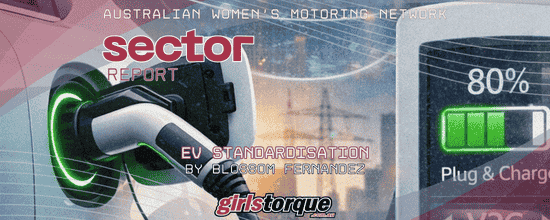
The Hidden Architecture Behind Smart Mobility: A conversation on battery chemistry, interoperability, and global alignment in the next decade of electric mobility.
 I recently had the opportunity to share insights with Zahra, an electrical engineering student researching innovative ecosystems for smart EVs. Throughout our conversation, we discussed how one of the most significant changes expected in the EV industry over the next decade is the rapid advancement of battery chemistry—particularly high-energy-density and solid-state technologies. These developments, supported by standards such as IEC 62660 for lithium-ion cell testing and UL 2580 for battery system safety, appear set to reshape consumer adoption by improving range, thermal stability, and fast-charging performance.
 We also discussed how global competition is accelerating investment in EV charging and communication technologies, while simultaneously creating challenges due to fragmented regulations, cybersecurity requirements, and differing regional standards. For example, AC charging interfaces vary by region: North America uses SAE J1772, which corresponds to IEC 62196-2 Type 1, while Europe and much of Asia use IEC 62196-2 Type 2. We also noted differences in the maturity of ISO 15118, which enables Plug-and-Charge, secure communication, and—under ISO 15118-20—support for bidirectional energy transfer.
Achieving global EV standardisation appears to require greater alignment across governments, international standards bodies including SAE, ISO, and IEC, and regional regulatory frameworks. Technical agreement is typically reached through structured, evidence-based review processes that ensure safety, compliance, and interoperability.
 Towards the end of our discussion, I shared a range of resources and standards useful to emerging researchers working across EV technology, energy systems, and regulatory interfaces. These included SAE J2954 for wireless power transfer, ISO 15118-20 for V2G communication, and technical studies from organisations such as NREL and the International Energy Agency. Contributing to Zahra’s project reinforced how essential cross-disciplinary collaboration is in shaping the future of smart, connected, and sustainable mobility.
While our earlier discussion focused on consumer EV standards, motorsport operates within bespoke, FIA-regulated battery systems — such as the lithium-ion RESS (Rechargeable Energy Storage System) packs used in Formula E’s Gen2 and Gen3 cars (54 kWh in Gen2, with custom high-power packs introduced in later generations). It also relies on specialised charging interfaces, including the modified CCS Combo 2 connector used for Formula E’s 600 kW PIT BOOST ultra-fast charging system, and portable track-side infrastructure designed for extreme performance conditions, such as large battery energy storage units that power PIT BOOST chargers independently of the racetrack grid.
Stay tuned! In the next piece, we’ll break down the powertrains, energy management strategies, and charging technologies shaping today’s electric motorsport categories.


Blossom Fernandez is an automotive engineer specialising in electric vehicle systems and standards. She contributes to EV standards committees and supports emerging engineers through mentoring and STEM engagement. Blossom is a relentless learner committed to growth, challenge, and constant evolution.